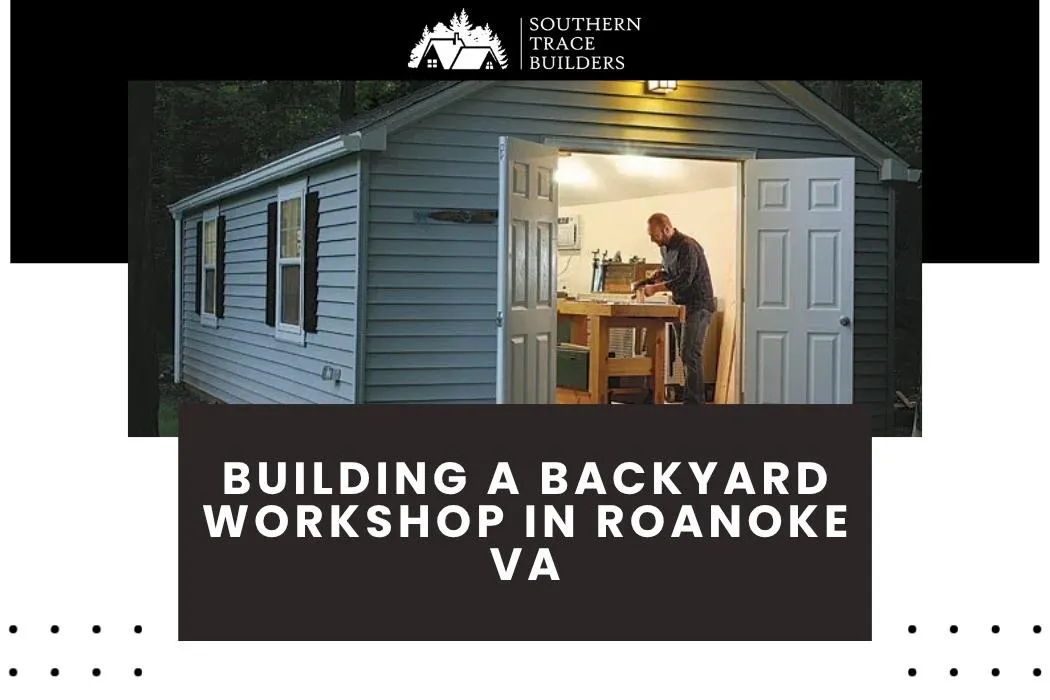
Building a Backyard Workshop in Roanoke, VA
A backyard workshop is one example of how well-designed accessory structures in Roanoke can add both functionality and long-term property value. The key to success is planning for the climate, choosing durable materials, and thinking ahead about utilities and insulation. When built right, a backyard workshop can last for decades — adding both comfort and value to your property.
Southern Trace, a family-owned construction company helps homeowners across Roanoke, Botetourt, and Franklin Counties build functional, weather-ready workshops that fit their needs and their land.
Why homeowners in the Roanoke Valley love having a backyard workshop
Having a separate workspace on your property gives you freedom and flexibility that’s hard to find inside the house. A backyard workshop can be a woodworking shop, a place to fix equipment, or even a creative studio. For many families, it doubles as storage for outdoor tools and lawn equipment while keeping garages clear for vehicles.
In southwest Virginia, where winters can dip below freezing and summers reach the high 80s, a well-insulated workshop becomes a true four-season space. It can give you a place to work on home projects during the colder months and an organized area to store everything you don’t want in the main house. Some homeowners even design theirs as a mix between a shop and a hobby barn, adding workbenches on one side and garden storage on the other.
Building a workshop is also a smart investment. It adds useful square footage without the high cost of a home addition, and if you ever sell your property, buyers appreciate the extra space.

Planning your workshop: where and how to start
Before any construction begins, it’s important to plan carefully. Choosing the right location and layout makes your workshop easier to use and maintain.
When you’re picking a site, start by looking for a flat or gently sloped area. Level ground means your foundation will stay stable, and good drainage prevents water pooling after heavy rain. If you plan to run electricity, water, or internet to your workshop, choose a spot close enough to the house or existing utility connections to keep costs manageable.
Think about how you’ll move between your house and the workshop in different seasons. In the Roanoke Valley, that means planning for muddy spring days and icy winter mornings — a short gravel path or concrete walkway can make a big difference.
The size depends on your use. For small hobbies or storage, a 12×16-foot structure may be enough. If you want room for a workbench, large tools, or a riding mower, go larger — 14×20 or 20×30 feet. The ceiling height matters too; 8 feet is typical, but 9 or 10 feet provides room for tall equipment and better airflow.
Designing a space that works for your projects
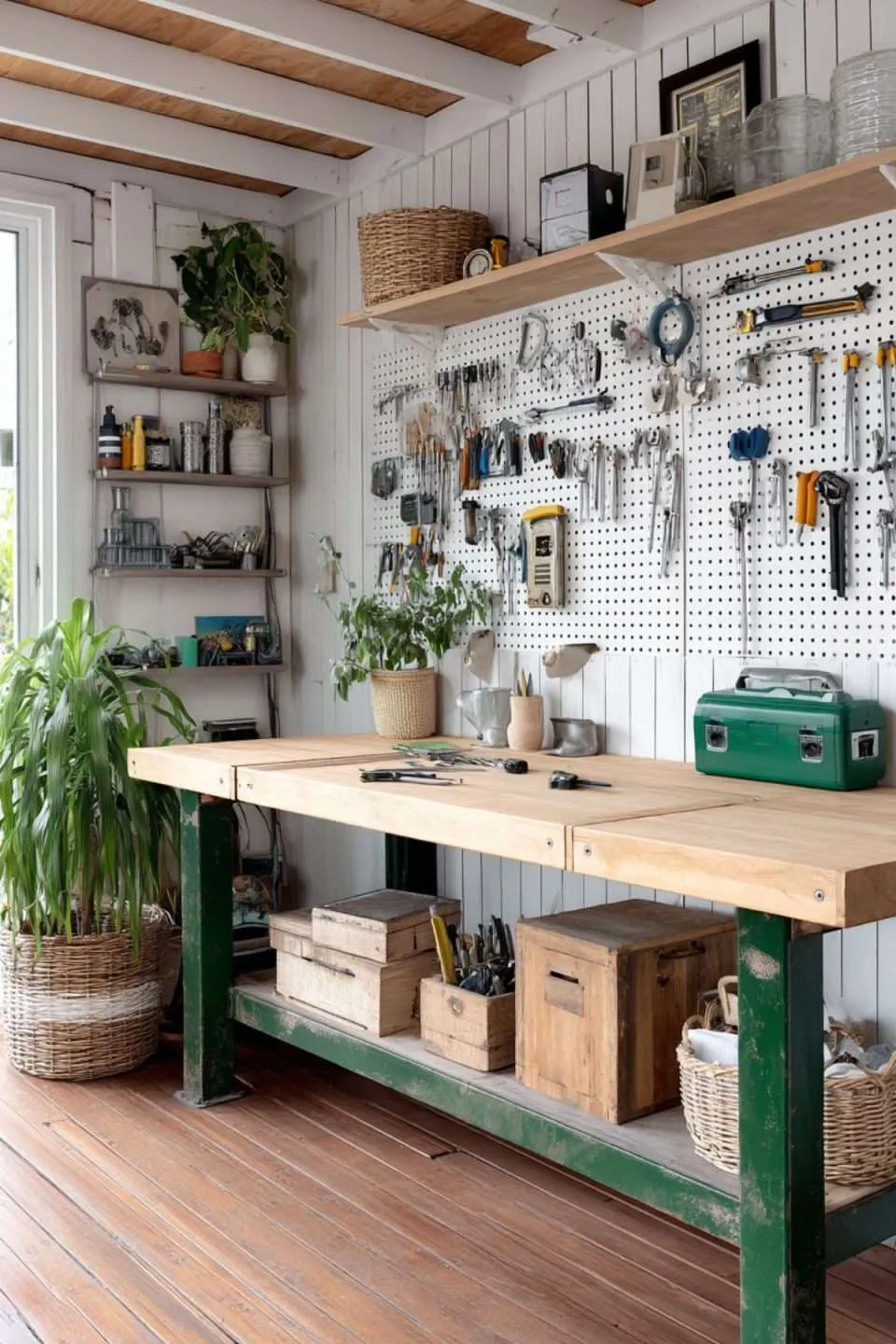
Once you’ve chosen a site, start thinking about how the space will function. Layout is everything in a workshop. You’ll want clear walking paths, good lighting, and convenient power access.
If you’re into woodworking, you might position windows for natural light over a bench area and plan for dust control with a small fan or vent. For auto work, consider a wider door and reinforced slab to support heavier equipment. Some homeowners even add a small loft or mezzanine for storage above the main work area.
Good ventilation and lighting can’t be overlooked. Southwest Virginia’s humidity can make enclosed spaces uncomfortable, so ridge vents, soffit vents, and even a small window AC or mini-split HVAC system can make your shop usable year-round. If exploring other structure ideas like accessory dwelling units, things like climate control become even more central to the design and budget.
Choosing the right materials for the Roanoke Valley climate
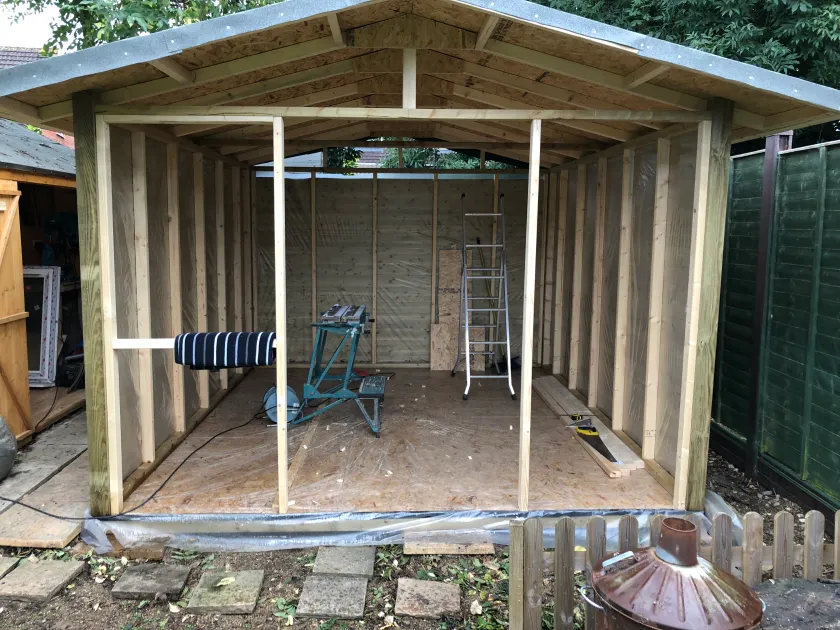
The materials you use make a big difference in how long your workshop lasts. Between high humidity, strong sun, and winter snow, you’ll need materials that can handle changing conditions.
Common materials and local performance
Material: Concrete slab foundation
Cost: $6–10 per sq. ft.
Notes: Best for strength and stability; adds insulation and moisture protection
Material: Pressure-treated lumber framing
Cost: Standard building material
Notes: Durable, easy to repair, and resistant to rot and insects
Material: Metal siding and roofing
Cost: $8–15 per sq. ft.
Notes: Long lifespan, resists humidity, ideal for southwest Virginia’s weather
Material: Vinyl or fiber-cement siding
Cost: $7–12 per sq. ft.
Notes: Good-looking, lower cost; needs moisture barrier underneath
Material: Insulation (spray foam or fiberglass)
Cost: $1.50–$3 per sq. ft.
Notes: Keeps the space warm in winter and cooler in summer
Material: Energy-efficient windows and doors
Cost: $3,000–$5,000 total (depending on size)
Notes: Reduces heating and cooling costs, improves comfort
Southern Trace often recommends metal siding and roofing for long-term durability, especially for rural properties around Troutville and Bedford County where humidity and storms are common.
Understanding the budget and build timeline
Workshop costs vary depending on size and finish level. A basic, uninsulated structure might start around $25,000–$30,000, while a fully insulated, wired, and finished building can reach $70,000–$80,000 or more. The price depends on foundation type, roofing choice, and whether you add plumbing or heating.
Most backyard workshops in the Roanoke area take eight to ten weeks from start to finish. The schedule typically includes:
Week 1–2: Site preparation and permits
Week 3: Foundation work (concrete pour and cure)
Weeks 4–6: Framing, roofing, and siding installation
Week 7: Electrical and insulation work
Weeks 8–9: Interior finishes, paint, and trim
Week 10: Final walkthrough and move-in
For homeowners considering larger projects, understanding the process of building other structures like detached garages can help clarify design and permitting requirements. By working with an experienced local builder, you’ll avoid permit issues and weather delays. Southern Trace handles every step — from layout design to finishing touches — ensuring your structure meets code and lasts through our mountain climate.
Building for southwest Virginia’s weather
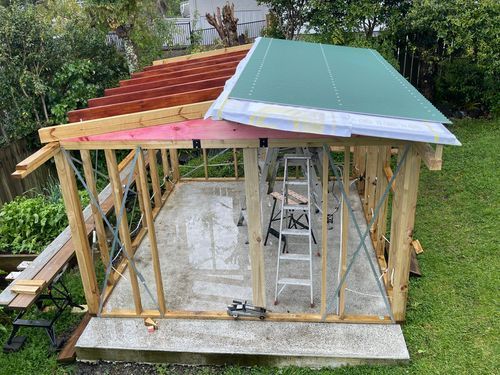
Our region’s mix of humidity, wind, and temperature swings means small details can make or break your workshop’s performance. Moisture control is especially important; adding a vapor barrier beneath your slab and sealing all wall seams helps prevent mold and mildew. Good ventilation keeps the space dry and your tools rust-free.
Because Roanoke winters can bring snow and ice, roof insulation and ice barriers protect against freezing. Choosing a reflective roof color also helps keep the building cooler during the long, sunny summers. Overhangs or a small porch shield entrances from rain and sun — a simple touch that adds both comfort and charm.
Maintenance for long-term performance
A well-built workshop doesn’t need much maintenance, but a few easy tasks each year can keep it looking new. Clean the roof and gutters every spring, check your siding for cracks or peeling sealant, and reapply concrete sealer every few years to keep moisture out. Keep an eye on humidity inside — a small dehumidifier can protect tools and lumber from rust or swelling.
If you use your workshop heavily, plan a quick inspection every fall to check your doors, windows, and weather stripping before cold weather sets in. These small efforts extend the life of the structure and reduce long-term repair costs.
Why hire a local builder like Southern Trace

While it’s tempting to buy a prefabricated shed, those structures rarely hold up long-term in our climate. A custom workshop built by a local construction company ensures everything is tailored to your property — from foundation design to drainage to electrical layout.
Southern Trace’s team knows the soil conditions and building codes unique to Botetourt and Roanoke Counties. We’ve spent decades helping Virginia homeowners design practical, beautiful spaces that stand the test of time. Our process includes planning, permitting, and personalized design help, so your workshop blends with your home and property instead of looking like an afterthought.
Contact us today to start planning →
Backyard Workshop Construction FAQ
Q: How much does it cost to build a backyard workshop in Roanoke VA?
A: Smaller basic workshops start near $30,000, while larger, fully finished buildings can reach $70,000 or more depending on design and utilities.
Q: Do I need a permit for my workshop in Troutville or Roanoke County?
A: Yes. Local building codes require permits for any permanent structures, especially those with electrical or plumbing connections.
Q: What’s the best roofing material for our local weather?
A: Metal roofing performs best in southwest Virginia’s humid and storm-prone climate. It lasts longer and requires less maintenance than shingles.
Q: Can my workshop be heated and cooled?
A: Absolutely. Insulation and a small heat pump or mini-split HVAC make your workshop usable year-round.
Final thoughts
A backyard workshop can transform how you live and work at home. It’s a place to create, repair, and relax — all without leaving your property. With thoughtful design and local expertise, you can build a space that feels comfortable in every season.
At Southern Trace, our family-owned team brings over 30 years of combined experience to every build. From small backyard workshops to large custom homes, we focus on honest communication and durable craftsmanship that fits the Roanoke Valley way of life.
👉 Contact Southern Trace today to start planning your workshop project.


