
Top 5 Hidden Issues We Find During Roanoke Renovations (And How to Avoid Them)
Most home renovations in Roanoke uncover surprise problems behind walls, under floors, or in crawl spaces. The most common issues are water damage, bad wiring, weak framing, old plumbing, and insulation gaps. The best way to avoid costly delays is a careful inspection and working with a local construction company experienced in professional home remodeling that knows Roanoke area homes inside and out.
If you’re planning a home renovation in Roanoke or Botetourt, this guide will help you understand what’s really hiding in older houses—and how to plan ahead so your project stays on track.
Why hidden issues are common in Roanoke and southwest Virginia homes
Many homes in Roanoke and Botetourt County were built 40, 50, or even 100 years ago. Over time, owners updated parts of the house, but not always the right way. Add our mountain weather, humid summers, and wet winters, and problems can build up quietly. Addressing these issues early is often the first step toward successfully modernizing an older Roanoke home. Detecting and correcting these issues during a planned renovation is a great way to kill two birds with one stone and save tine, money, and stress.
At Southern Trace, a family-owned construction company based just north of Roanoke we’ve seen these same problems over and over during home renovations across the region. Knowing what to expect can save you stress and money.
1. Water damage behind walls and under floors
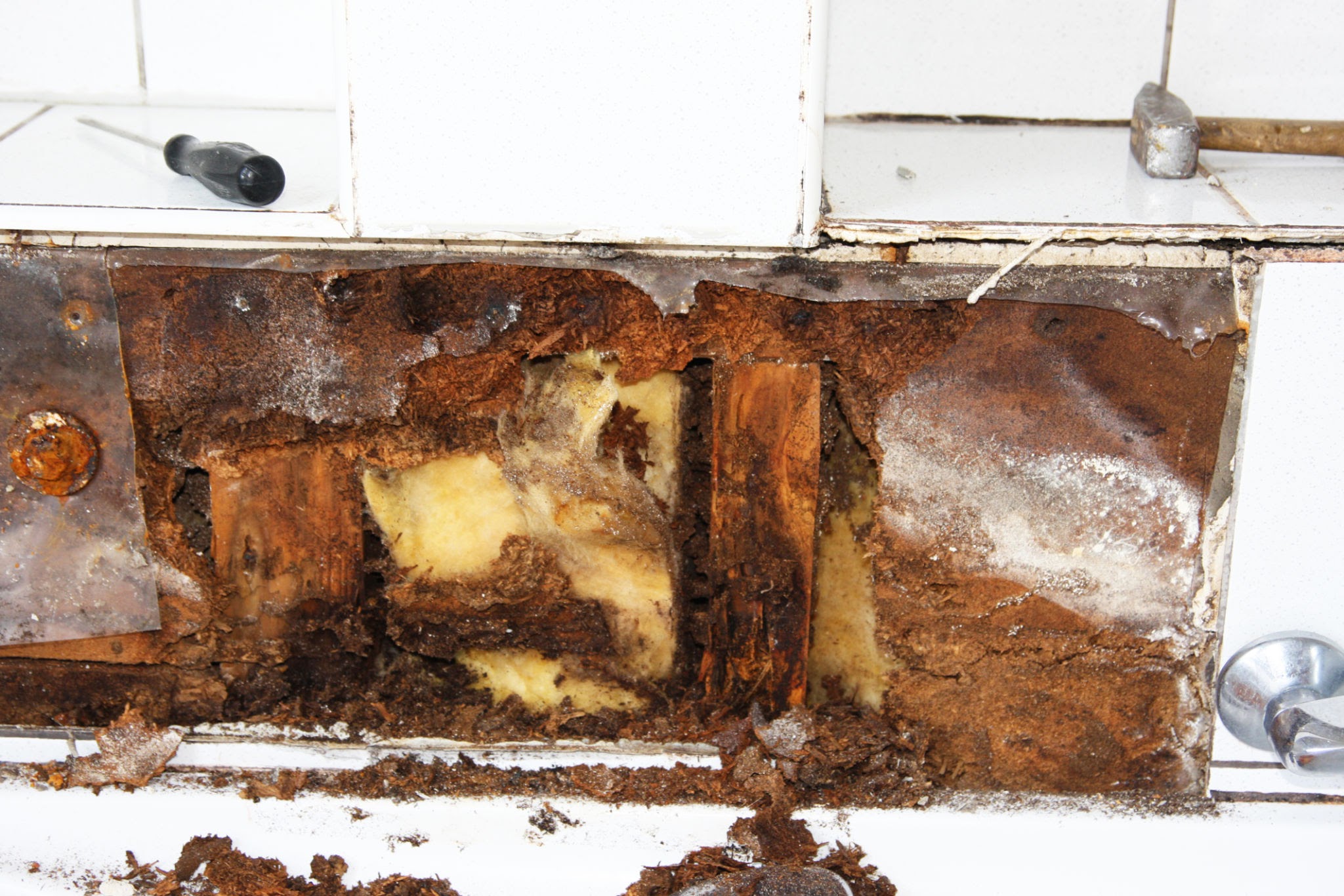
Water damage is the most common hidden issue we find during Roanoke renovations. It often comes from old roof leaks, bad flashing, clogged gutters, or poorly sealed bathrooms.
You may not see it at first. Once walls or floors are opened, we often find soft wood, mold stains, or rotted subflooring—especially near bathrooms, kitchens, and exterior walls.
How to avoid it:
Before starting a renovation, have a contractor check for signs of moisture. This includes stains on ceilings, musty smells, or floors that feel spongy. A local contractor who understands the Blue Ridge Mountains climate will know where to look. During planning, it’s smart to set aside a small budget buffer for repairs just in case.
2. Outdated or unsafe electrical wiring
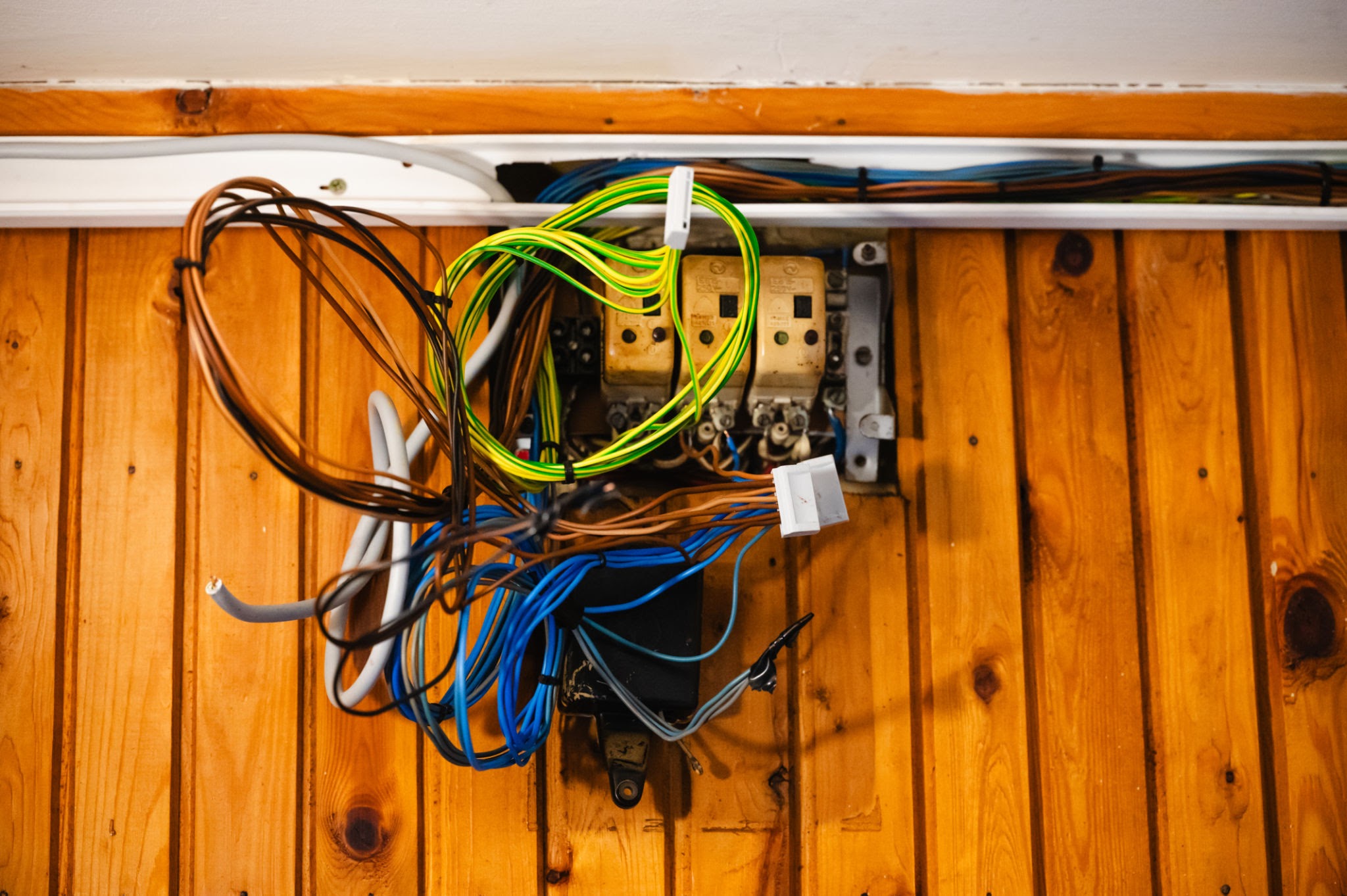
Old wiring is a big issue in homes around Roanoke and the Shenandoah Valley. Many houses still have wiring that doesn’t meet today’s safety standards. This can include overloaded circuits, missing ground wires, or old panels that can’t handle modern appliances.
These problems often stay hidden until walls are opened for a remodel.
How to avoid it:
Always have the electrical system checked before finalizing your renovation plans. If you’re remodeling a kitchen, adding rooms, or finishing a basement, your power needs will go up. Planning electrical upgrades early helps avoid delays and failed inspections.
If you’re considering a full remodel or addition, our page on home remodeling services explains how we plan for these upgrades:
https://www.southerntracellc.com/home-remodeling
3. Weak framing and past DIY fixes
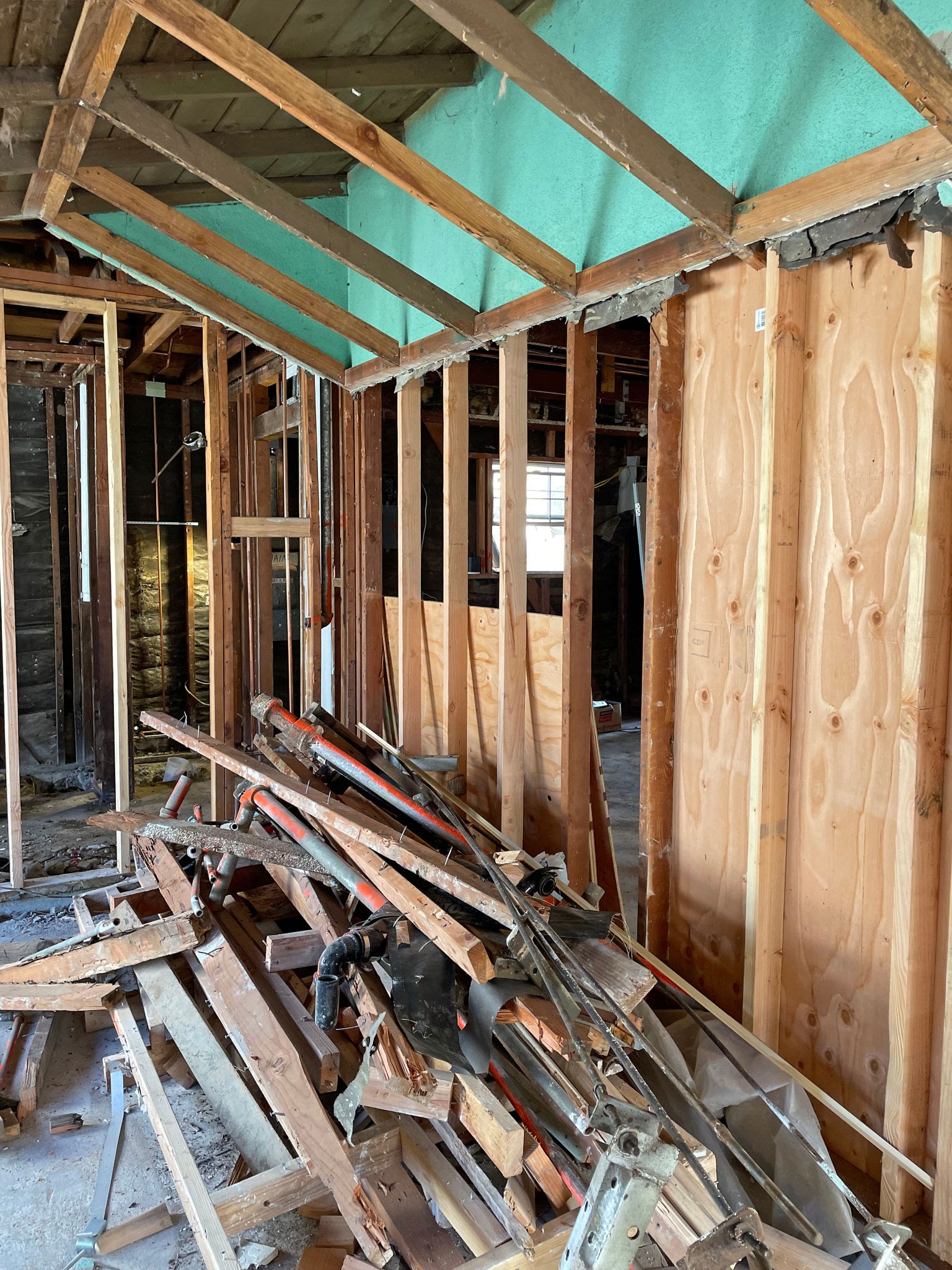
Another hidden problem we see a lot is poor framing work from old DIY projects. Past homeowners sometimes removed walls, cut floor joists, or added additions without proper support. These shortcuts may not cause problems right away, but they show up during renovations.
In southwest Virginia, we often see this in older homes near Mill Mountain or neighborhoods built before modern building codes.
How to avoid it:
Work with a contractor who checks structure before design details are finalized. This includes attic framing, crawl spaces, and load-bearing walls. Fixing framing early is much cheaper than trying to correct it after drywall or cabinets are installed.
4. Old plumbing that’s near the end of its life
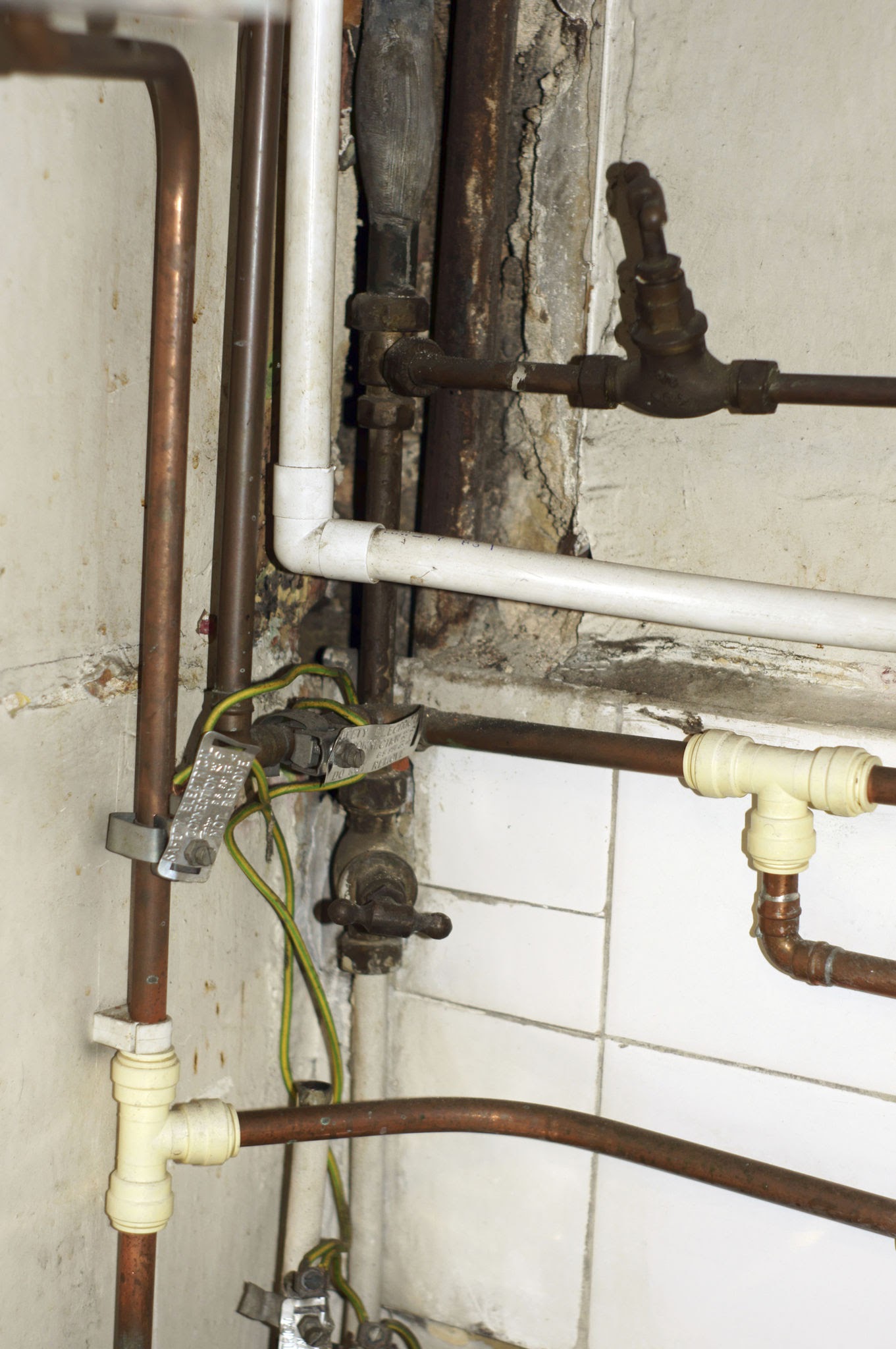
Old plumbing pipes are another surprise waiting behind walls. Galvanized steel and older copper pipes can clog, rust, or leak over time. In older Roanoke homes, we often find plumbing that works “well enough” until a new appliance or plumbing branch puts stress on it.
Once walls are open, it often makes sense to replace these pipes instead of closing everything back up and hoping for the best.
How to avoid it:
If your home is more than 40 years old, talk to your contractor about checking the plumbing system during planning. Even partial upgrades can prevent future leaks and water damage. This is especially important for kitchen remodeling and bathroom updates.
5. Poor insulation and air leaks
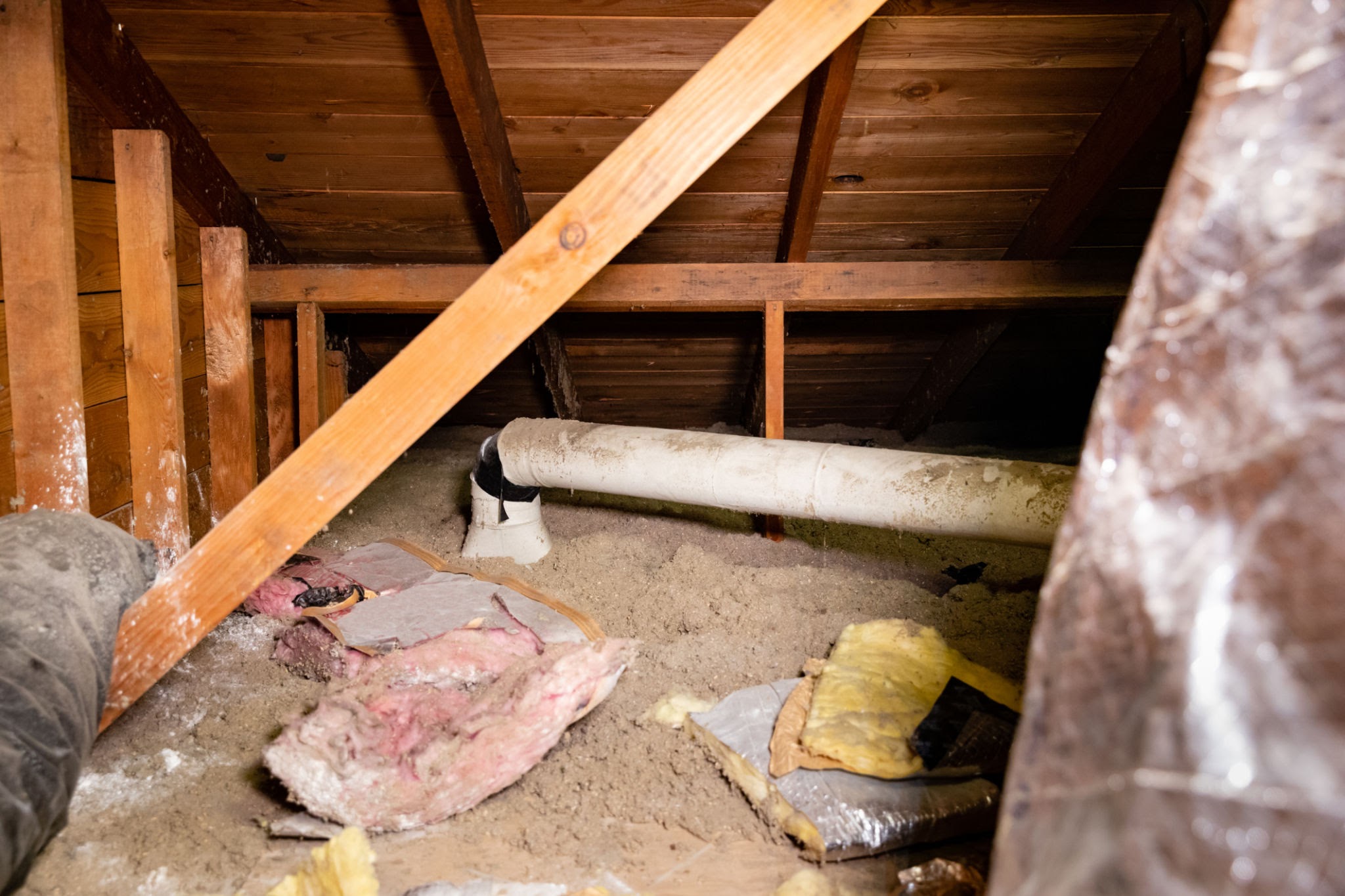
Insulation problems don’t always show up until walls or ceilings are opened. Many older homes in Roanoke were built before modern insulation standards. Gaps, crushed insulation, or none at all can lead to cold rooms in winter and high power bills in summer.
With the changing weather in southwest Virginia, this issue affects comfort year-round.
How to avoid it:
During renovation planning, ask your builder to check insulation levels and air sealing. Fixing these issues while walls are open is one of the best long-term upgrades you can make. It helps your home stay comfortable and reduces heating and cooling costs.
What all these hidden issues have in common
Most renovation surprises come from the same root problem: the home was built or modified for a different time, different codes, and different needs. Before planning a major upgrade to rooms like the kitchen or bathroom, it helps to understand how hidden conditions can affect budgeting.
Here’s what helps avoid most problems during Roanoke renovations:
Careful inspection before design decisions are final
Realistic budgets that allow for surprises
Working with a local contractor who knows Roanoke and Troutville homes
Clear communication before construction starts
That’s why homeowners across the Roanoke valley choose Southern Trace, a trusted home builder and remodeling contractor with over 30 years of combined experience in southwest Virginia.
FAQ: Common renovation questions in Roanoke VA
Q: Are renovation surprises common in Roanoke homes?
A: Yes. Many homes are older, or were built in a hurry, and hidden issues often appear once walls or floors are opened.
Q: How much extra should I budget for hidden problems?
A: Many homeowners set aside 10–15% of the project cost as a buffer for unexpected repairs.
Q: Can inspections catch all hidden issues?
A: Inspections help a lot, but some problems only show up once construction starts, and surface materials get removed.
Q: Should I fix old systems even if they still work?
A: Often yes. Replacing old wiring or plumbing during a renovation is usually less expensive than fixing damage later.
Final thoughts for Roanoke homeowners
Hidden issues don’t mean your renovation is a bad idea. They’re just part of working with real homes in real neighborhoods across Roanoke and southwest Virginia.
The key is planning ahead and working with a construction company that’s honest, local, and experienced. If you’re thinking about a renovation or addition, Southern Trace is here to help you plan it the right way—from the first walk-through to the final nail.


